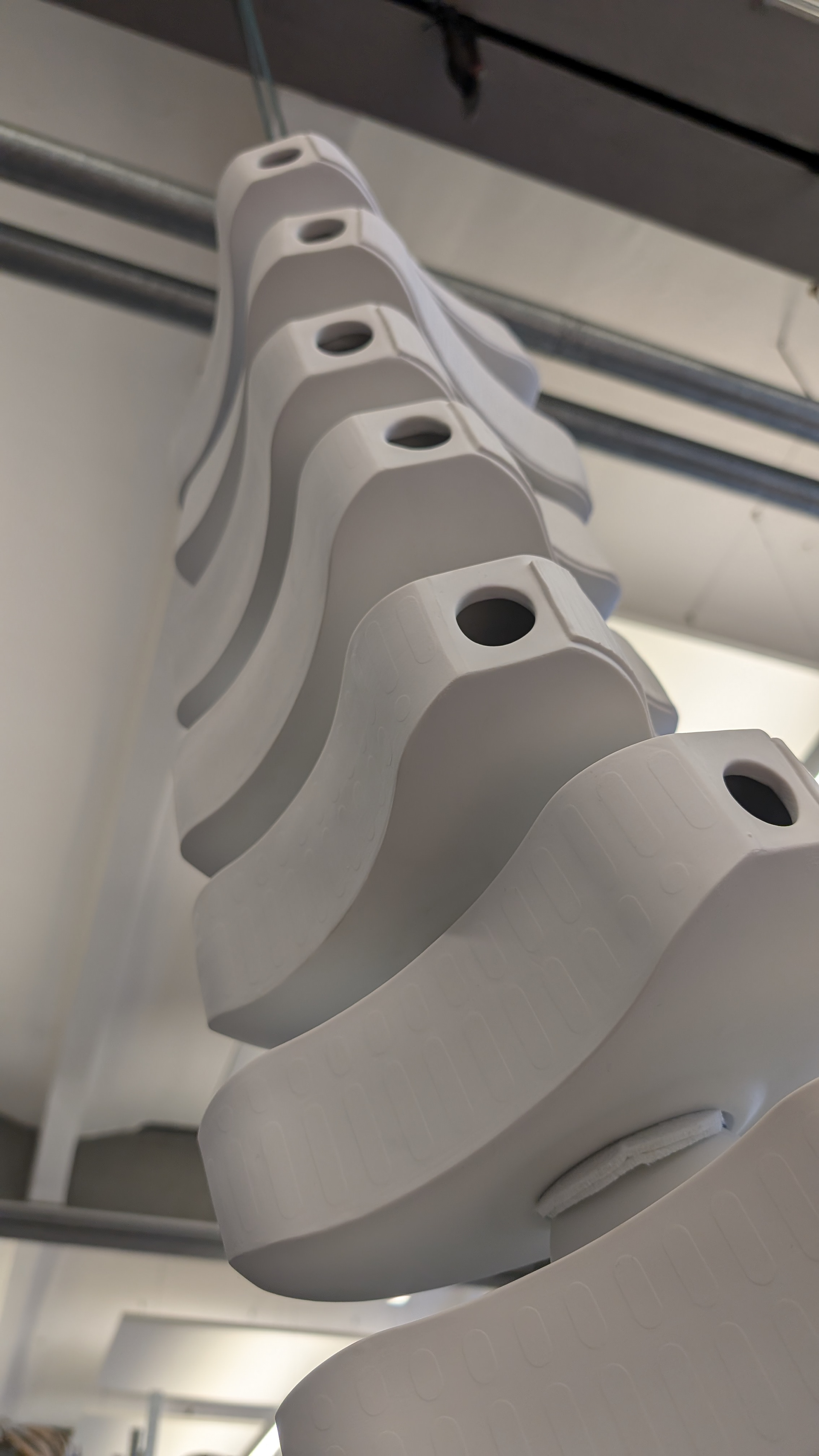
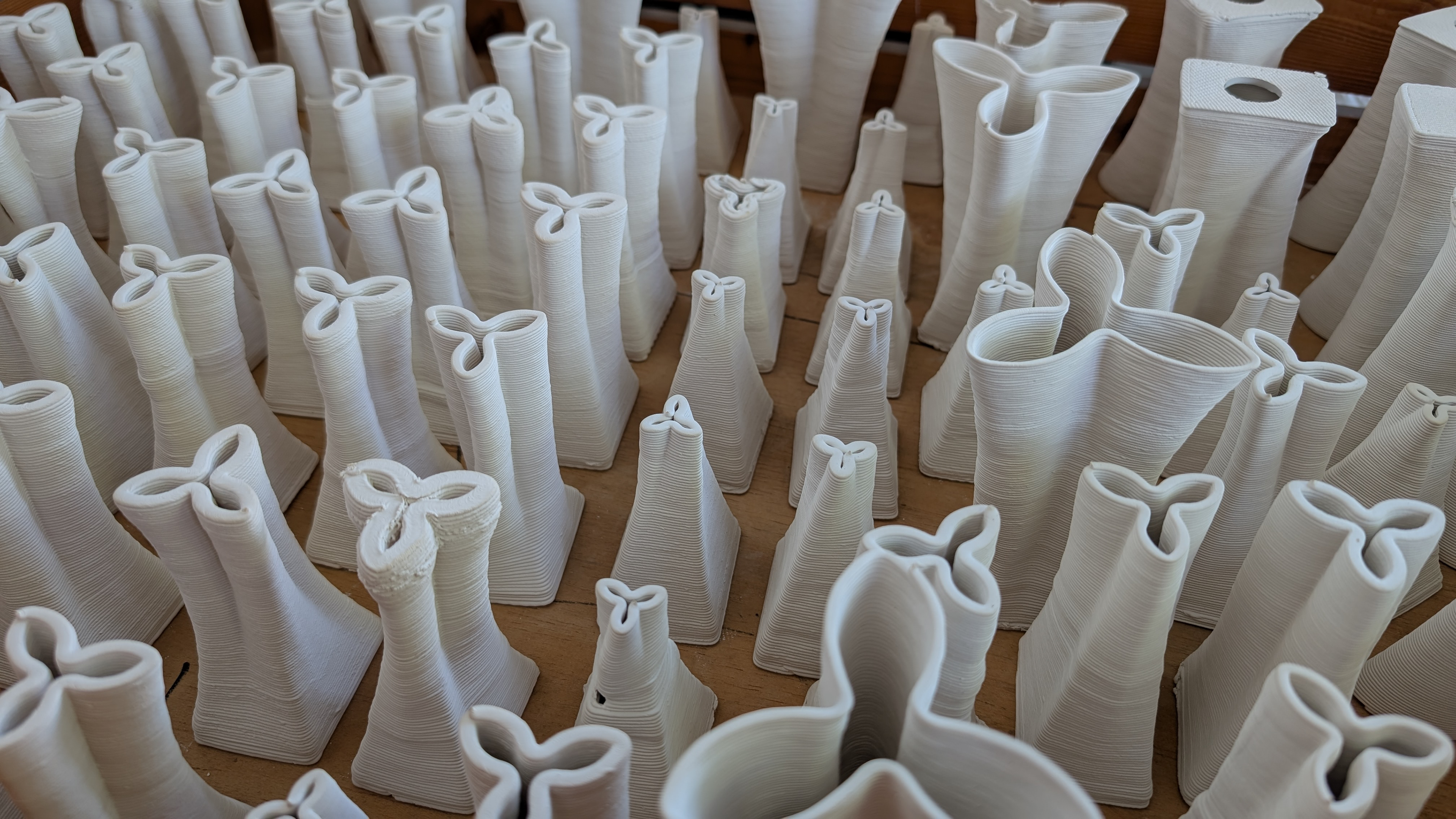
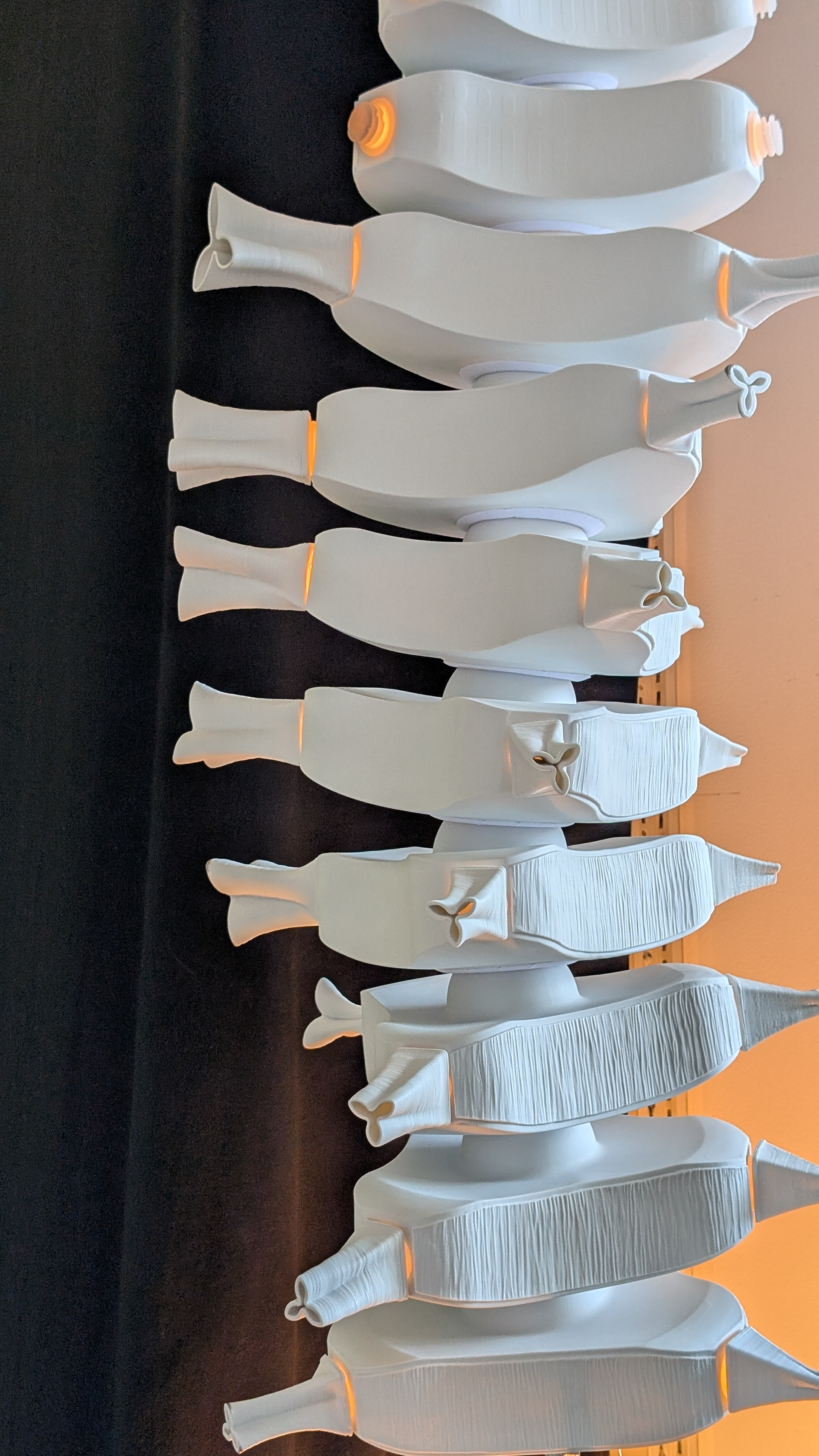
Die Installation ist eine Komposition aus über 300 einzelnen Porzellan Elementen. Die Fügung und das Zusammenspiel aus traditionellen, handwerklichen und digitalen Entwurfsmethoden sind zentral für die Umsetzung.
The installation is a composition of over 300 individual porcelain elements. The combination and interplay of traditional, artisanal, and digital design methods are central to its realization.
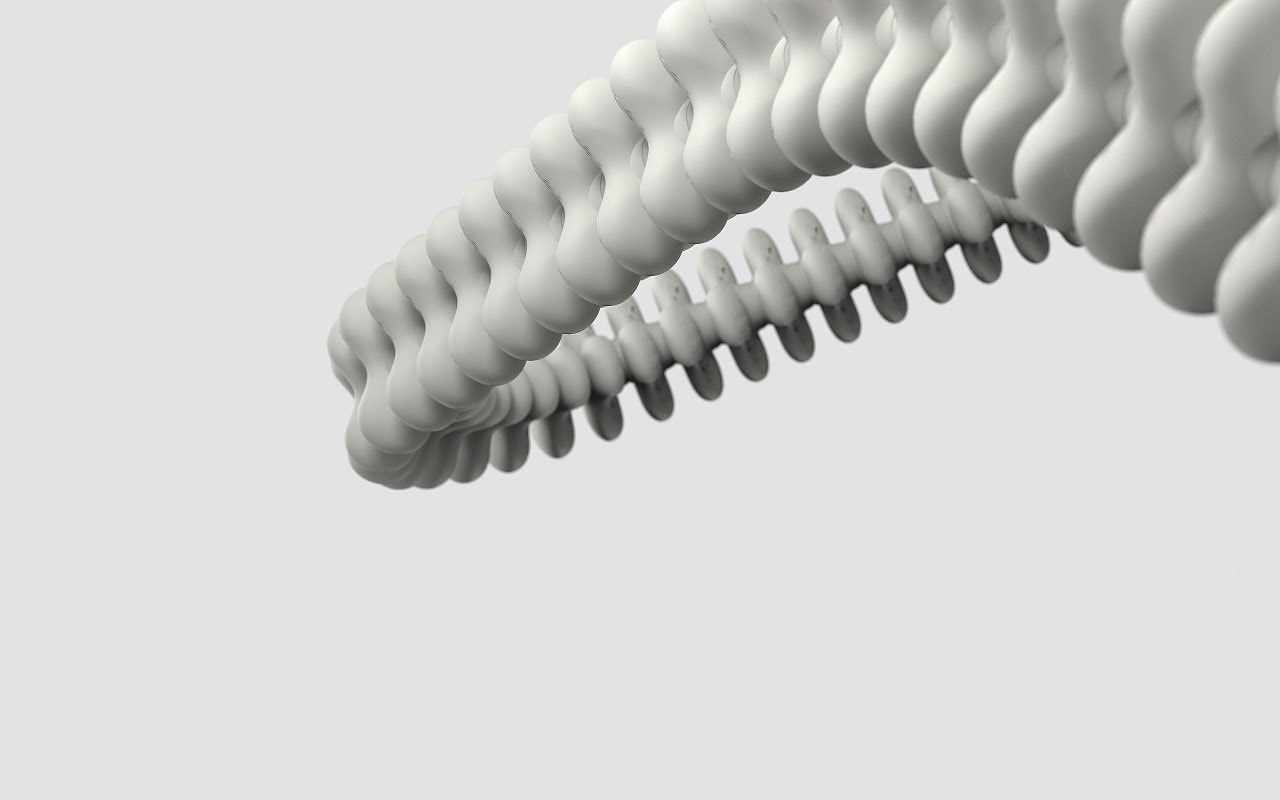
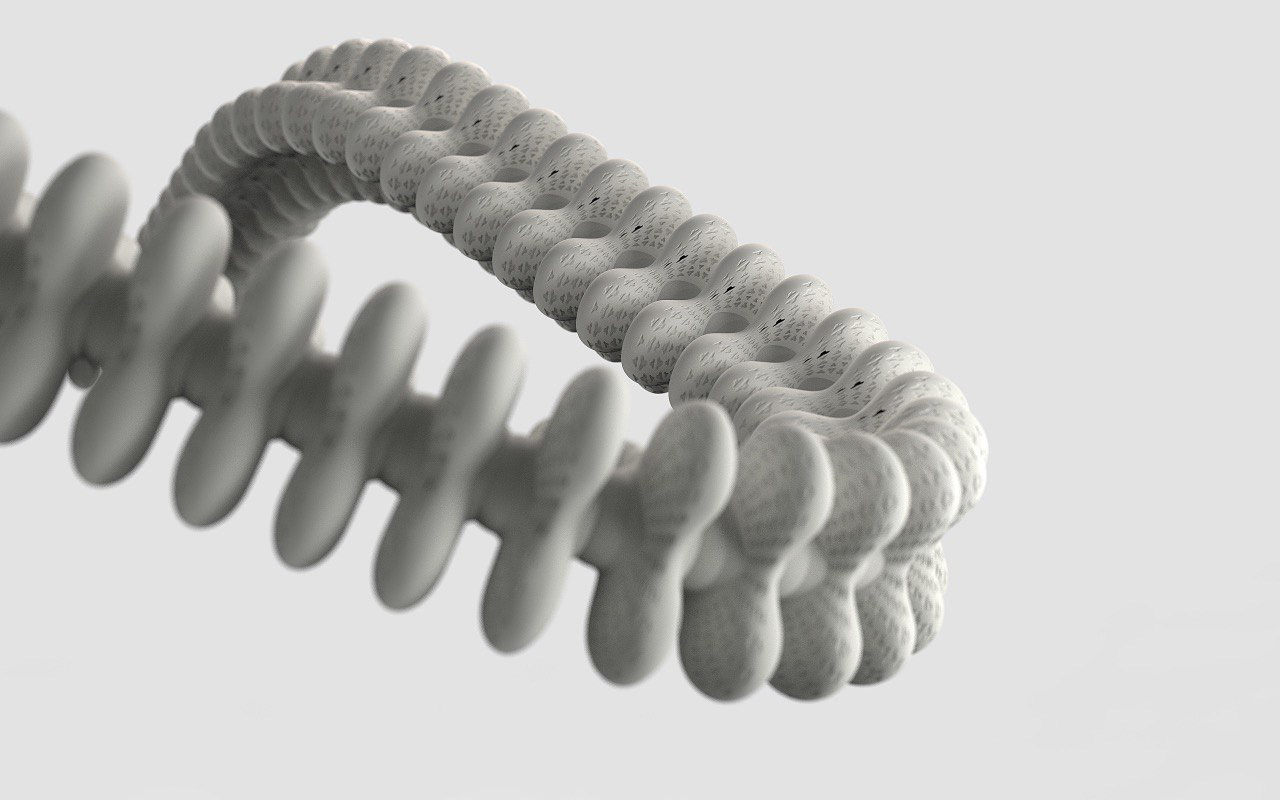
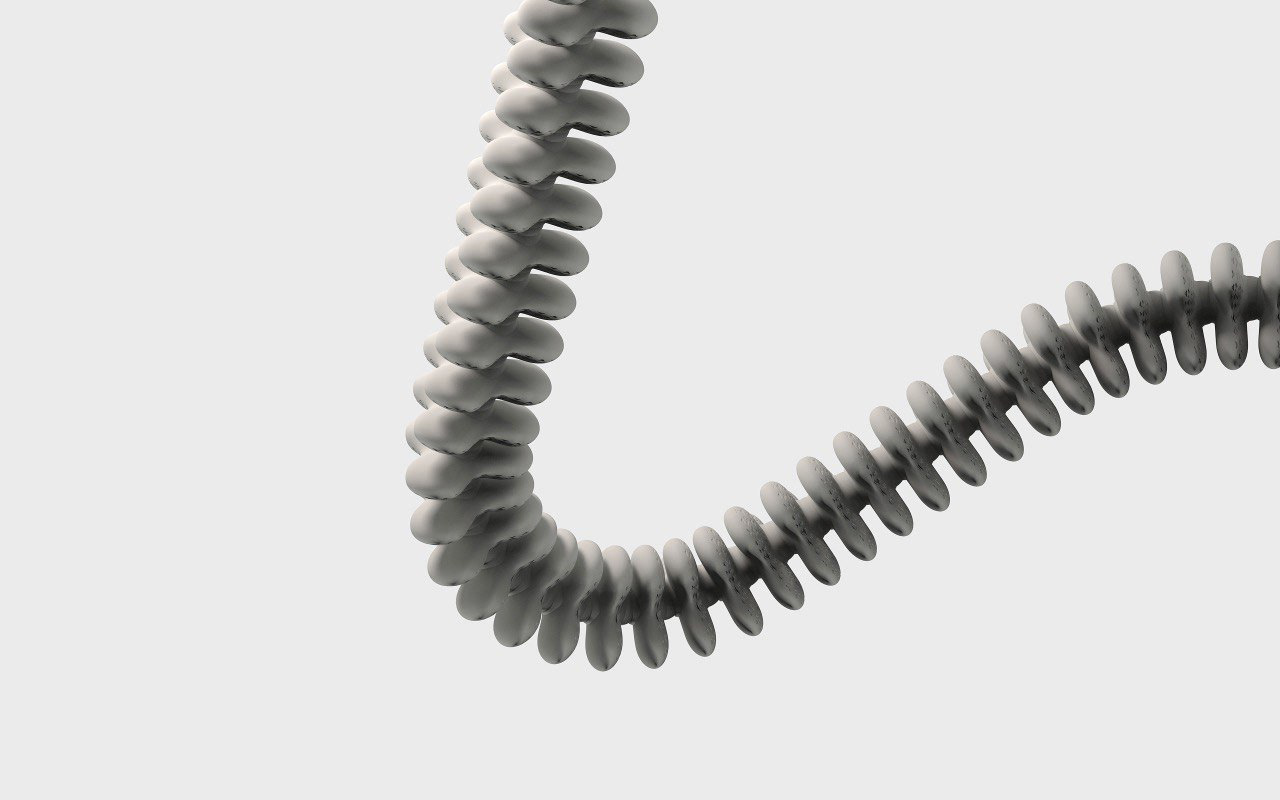
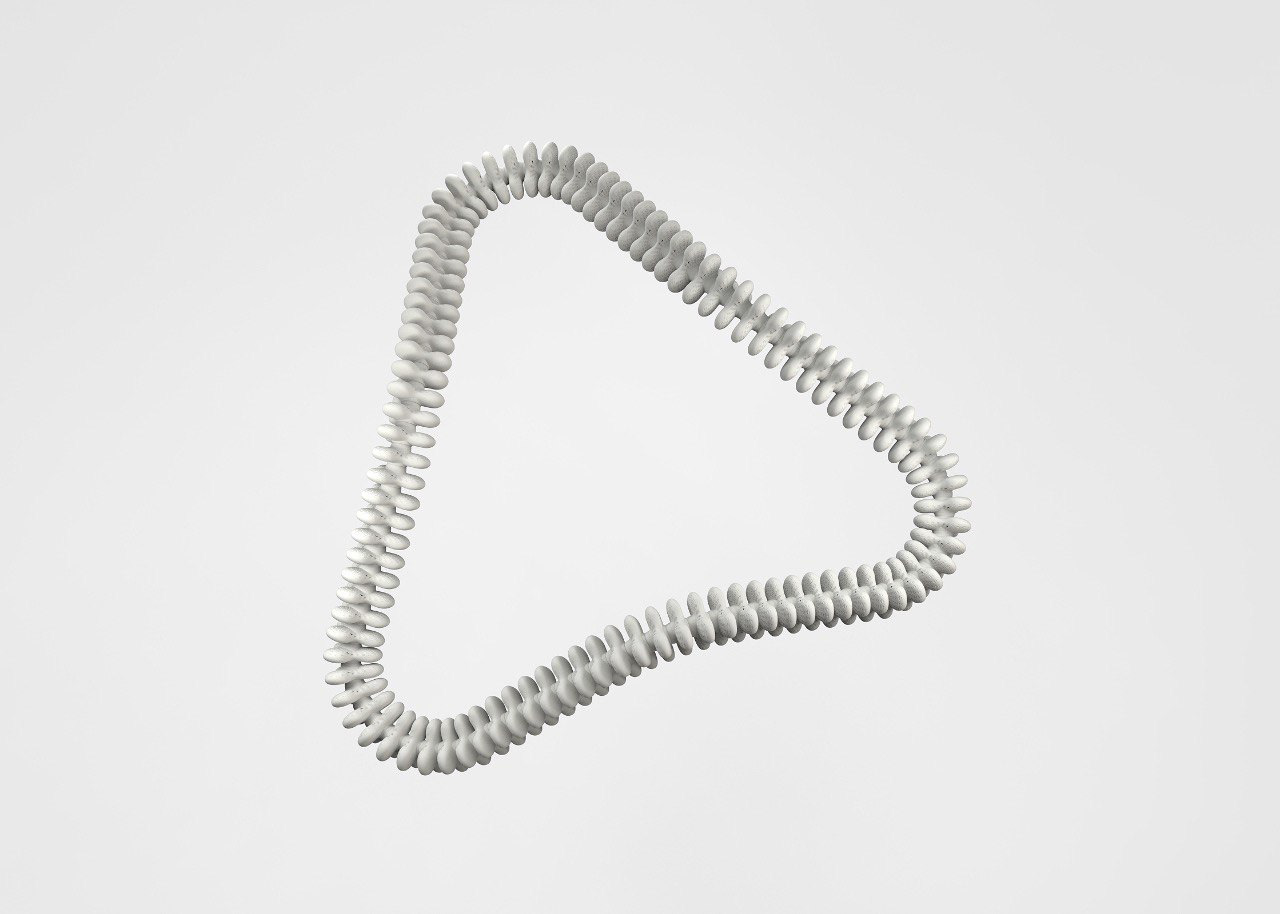
Der Projektname „biscuit" leitet sich sich vom unglasiert gebrannten Biscuit-Porzellan ab, welches sich durch eine besondere Farbgebung und Haptik auszeichnet. Durch die fehlende Lichtreflexion liegt der Vergleich des Materials mit Marmor, Alabaster und auch Elfenbein nahe. Insbesondere feine Verzierungen bzw. Ornamente, Texturen, Reliefs und Modellierungen kommen in dem unglasierten und transluzenten Material besonders gut zur Geltung. Das Biscuit-Porzellan mit seinen spezifischen Qualitäten soll verstanden werden insbesondere in seiner feinen Materialität und seinen gestalterischen Möglichkeiten.
The project name “biscuit” is derived from unglazed biscuit porcelain, which is characterized by its special color and feel. The lack of light reflection makes it easy to compare the material to marble, alabaster, and even ivory. Fine decorations and ornaments, textures, reliefs, and modeling are particularly effective in this unglazed and translucent material. Biscuit porcelain, with its specific qualities, should be understood in particular in terms of its fine materiality and its design possibilities.
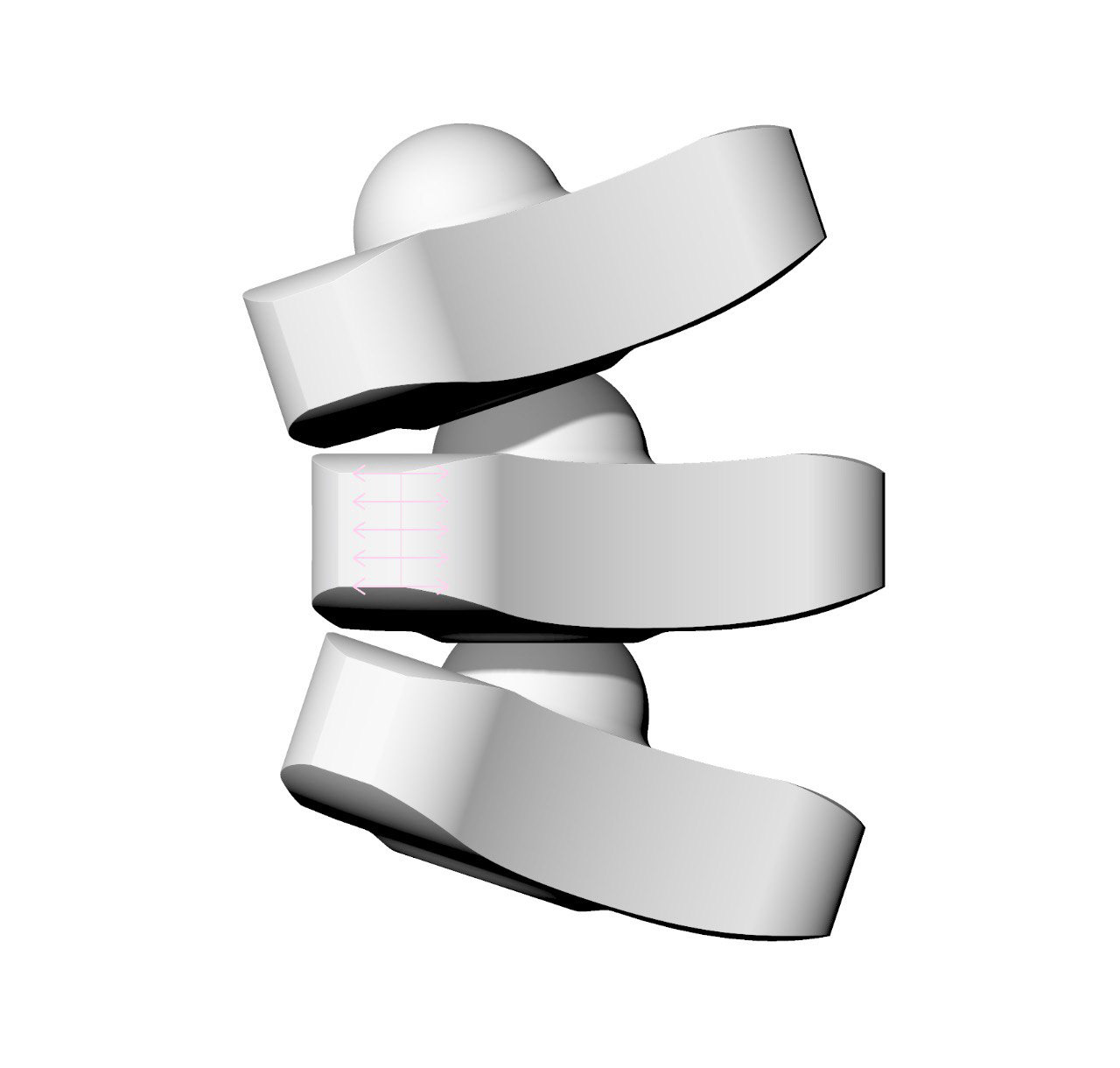
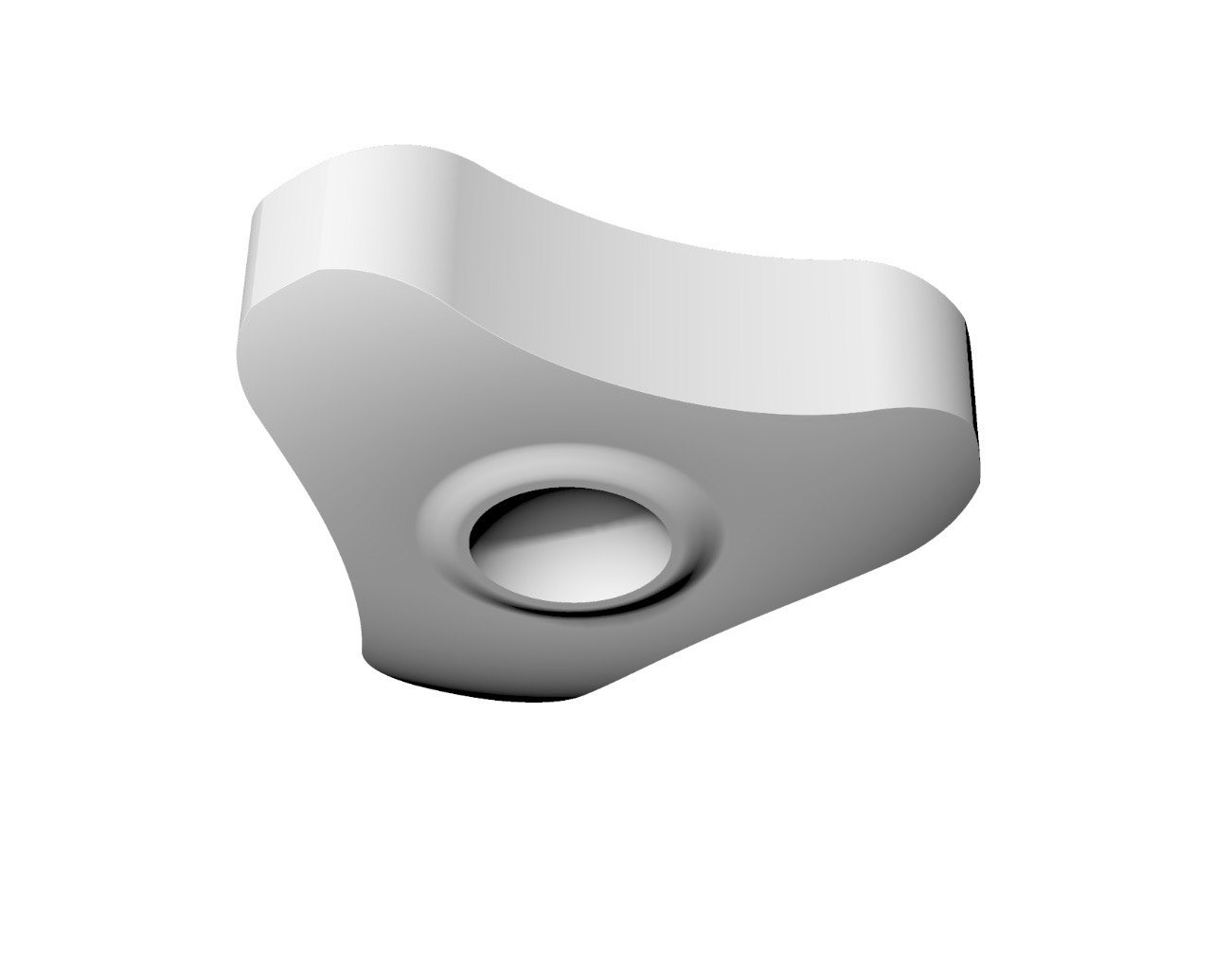
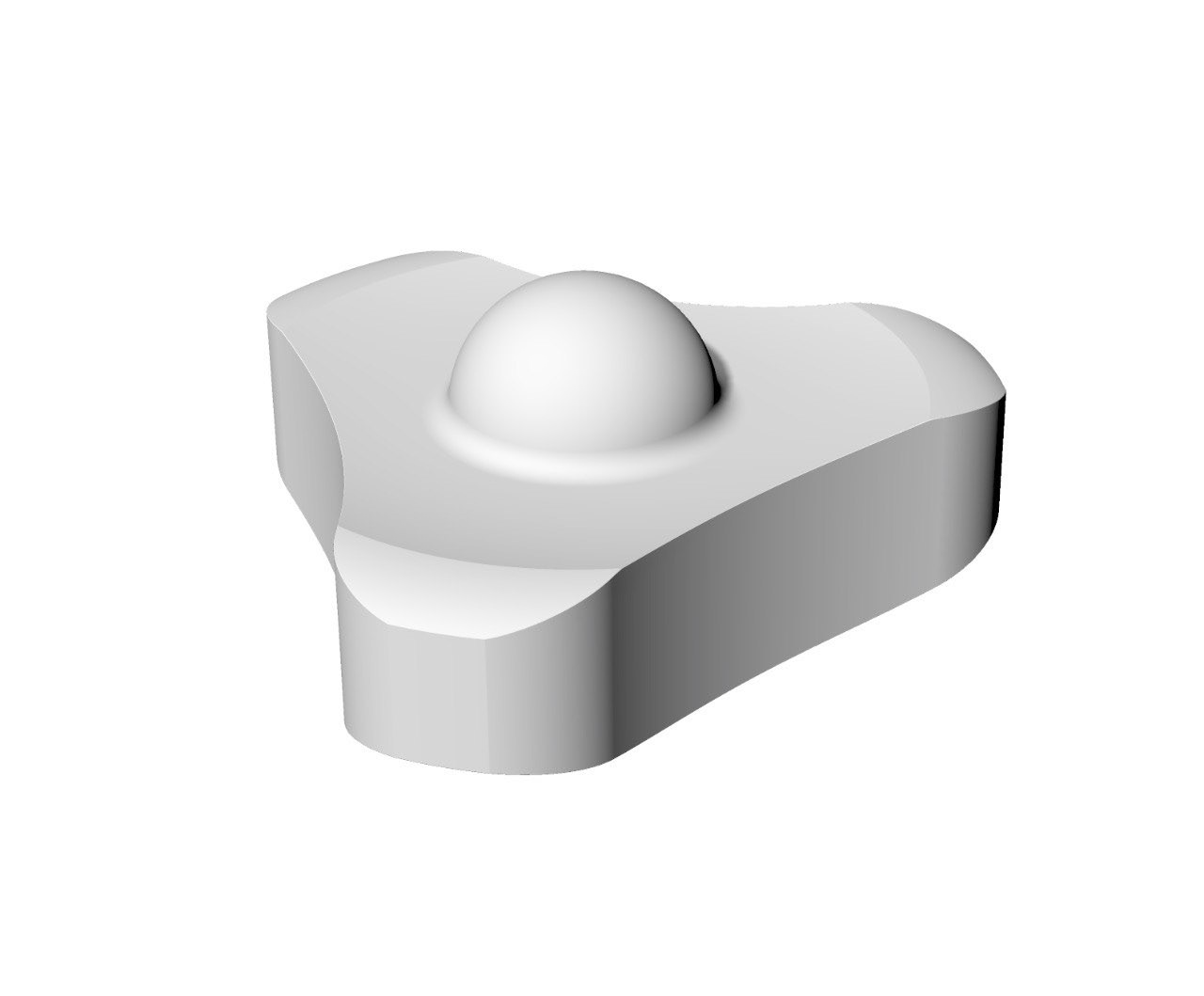
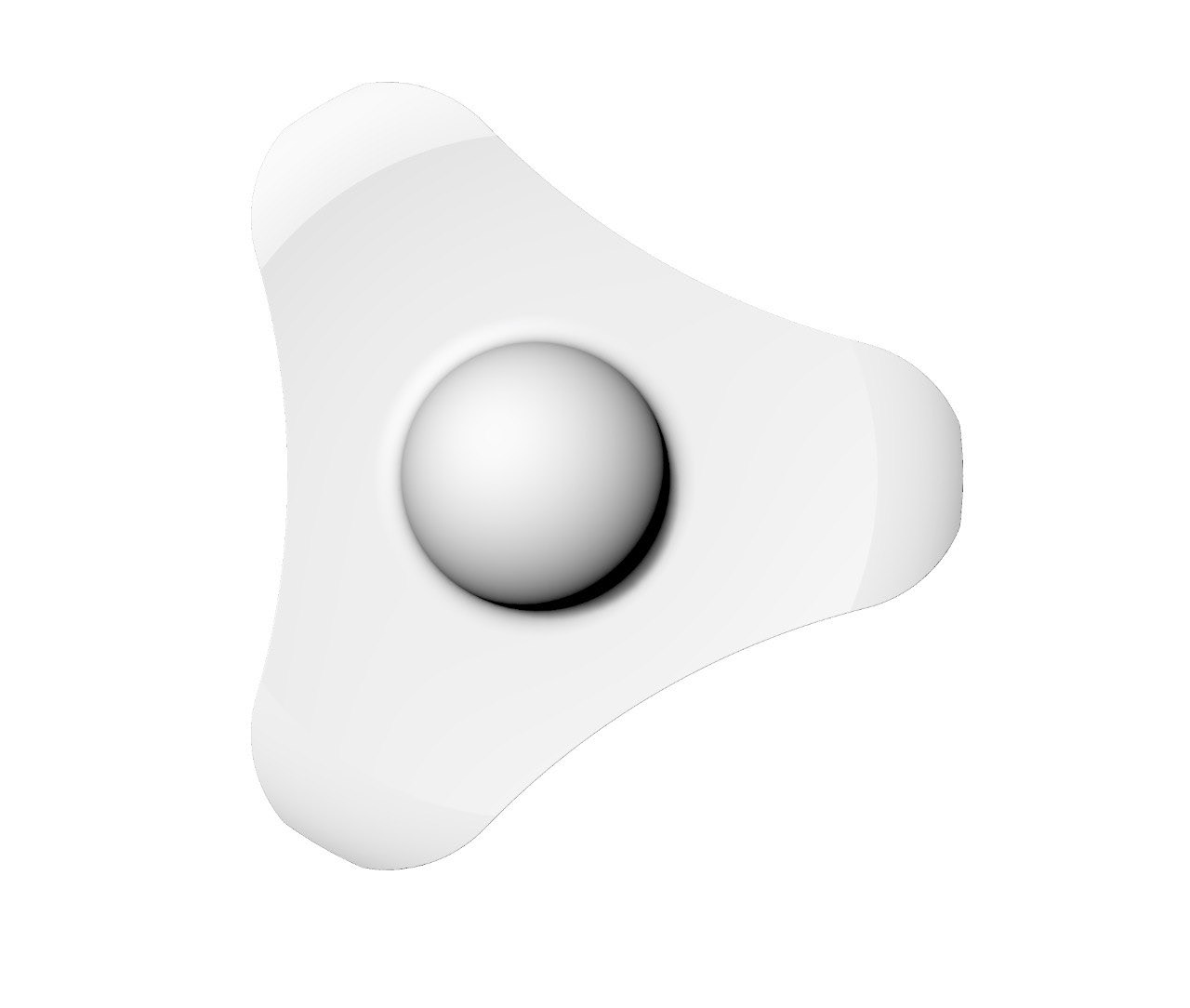
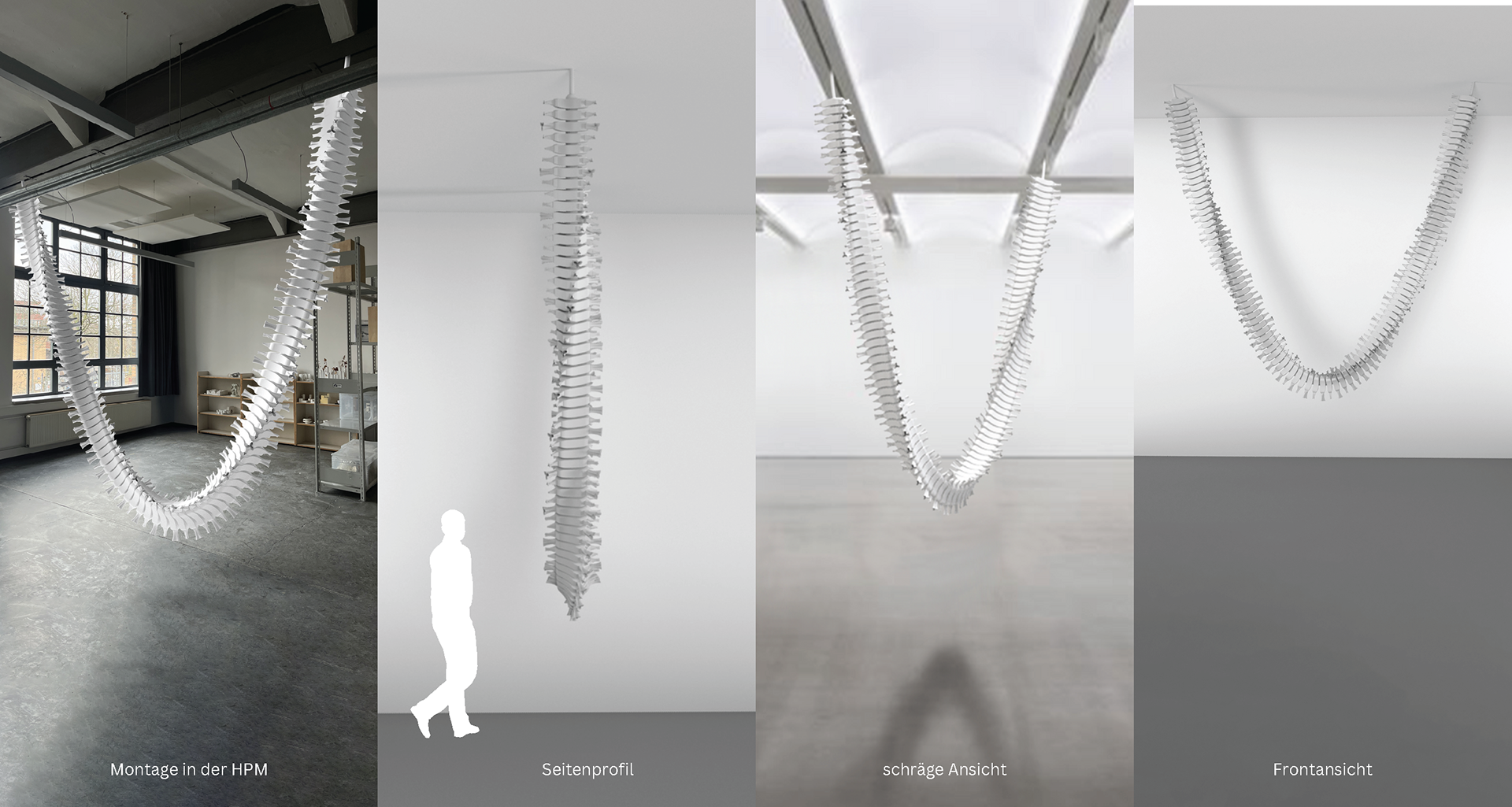
Im Projekt „biscuit" geht es auch darum, die produktionstechnischen Möglichkeiten und Besonderheiten der traditionsreichen Porzellanmanufaktur in Höchst kennenzulernen. Im Zusammenspiel mit der spezifischen Entwurfsmethodik des IMD, werden traditionelle Entwurfsprozesse wie Modell- und Formenbau mit digitalen Entwurfs- und Fertigungsmethoden kombiniert, Tradition und Moderne anhand konkreter Konzepte gedacht und umgesetzt. Wesentliche gestalterische Informationen werden in analogen und digitalen Entwurfs- und Fertigungsmethoden in die Materialkonzeptionen einbeschrieben. Die Umsetzung in Biscuit-Porzellan orientiert sich grundlegend an Entwurfs- und Fertigungsprozessen des keramischen Modell- und Formenbaus. Ziel des Projektes, „biscuit" ist die Entwicklung texturierter Materialkonzeptionen, die im Zusammenspiel mit weiteren individuellen Entwurfskonzeptionen des Kurses zu einer größeren und emergenten Gesamtstruktur assembliert werden können.
Die Fertigung aller Teile ist abgeschlossen, die finale Montage am Zielort steht noch aus.
The “biscuit” project also aims to explore the production possibilities and special features of the traditional porcelain manufactory in Höchst. In conjunction with the specific design methodology of the IMD, traditional design processes such as model and mold making are combined with digital design and manufacturing methods, and tradition and modernity are conceived and implemented on the basis of concrete concepts. Essential design information is incorporated into the material concepts using analog and digital design and manufacturing methods. The implementation in biscuit porcelain is fundamentally based on the design and manufacturing processes of ceramic model and mold making. The aim of the “biscuit” project is to develop textured material concepts that can be assembled into a larger and emergent overall structure in conjunction with other individual design concepts from the course.
The production of all parts has been completed, with final assembly at the destination still pending.
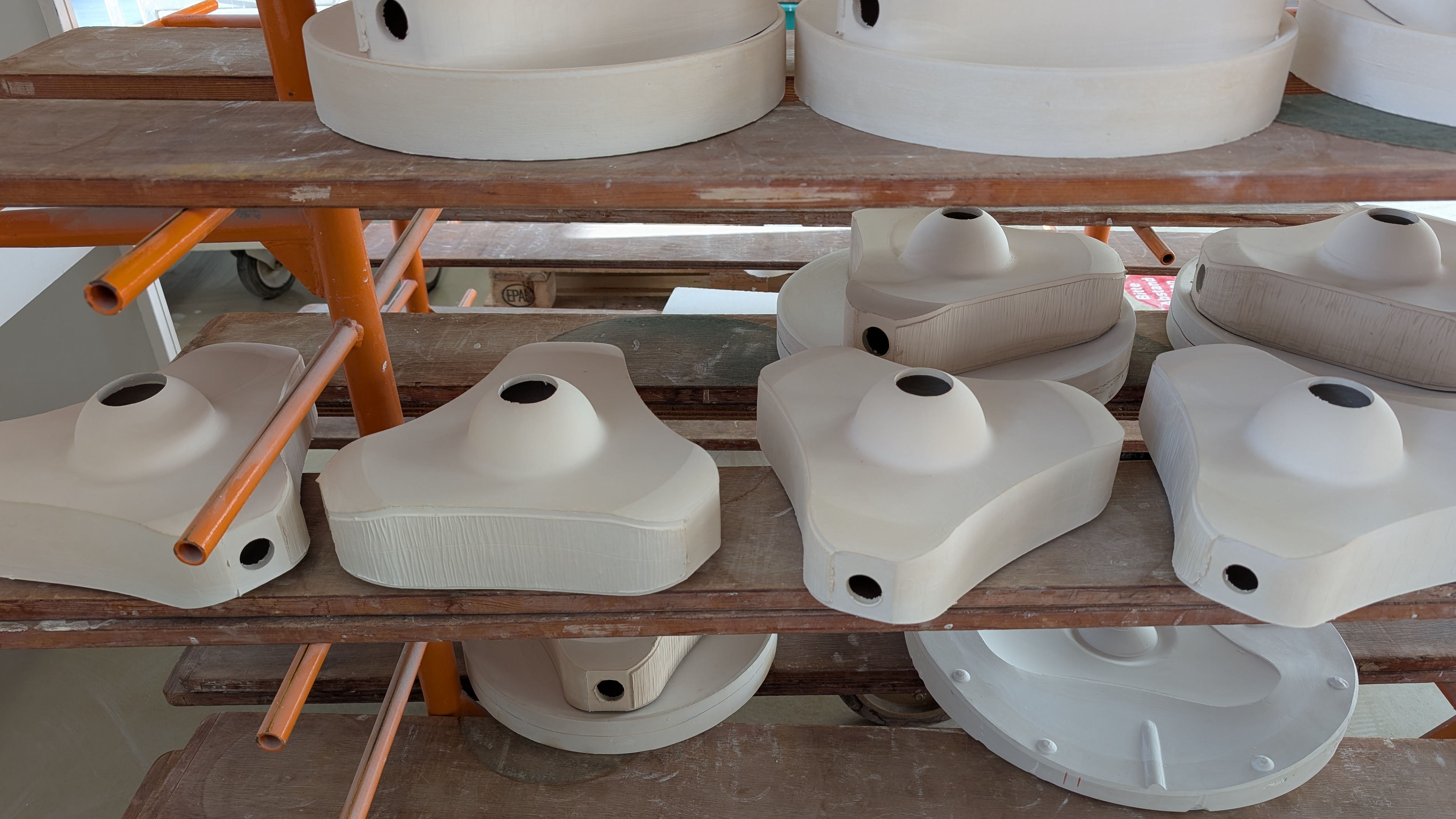
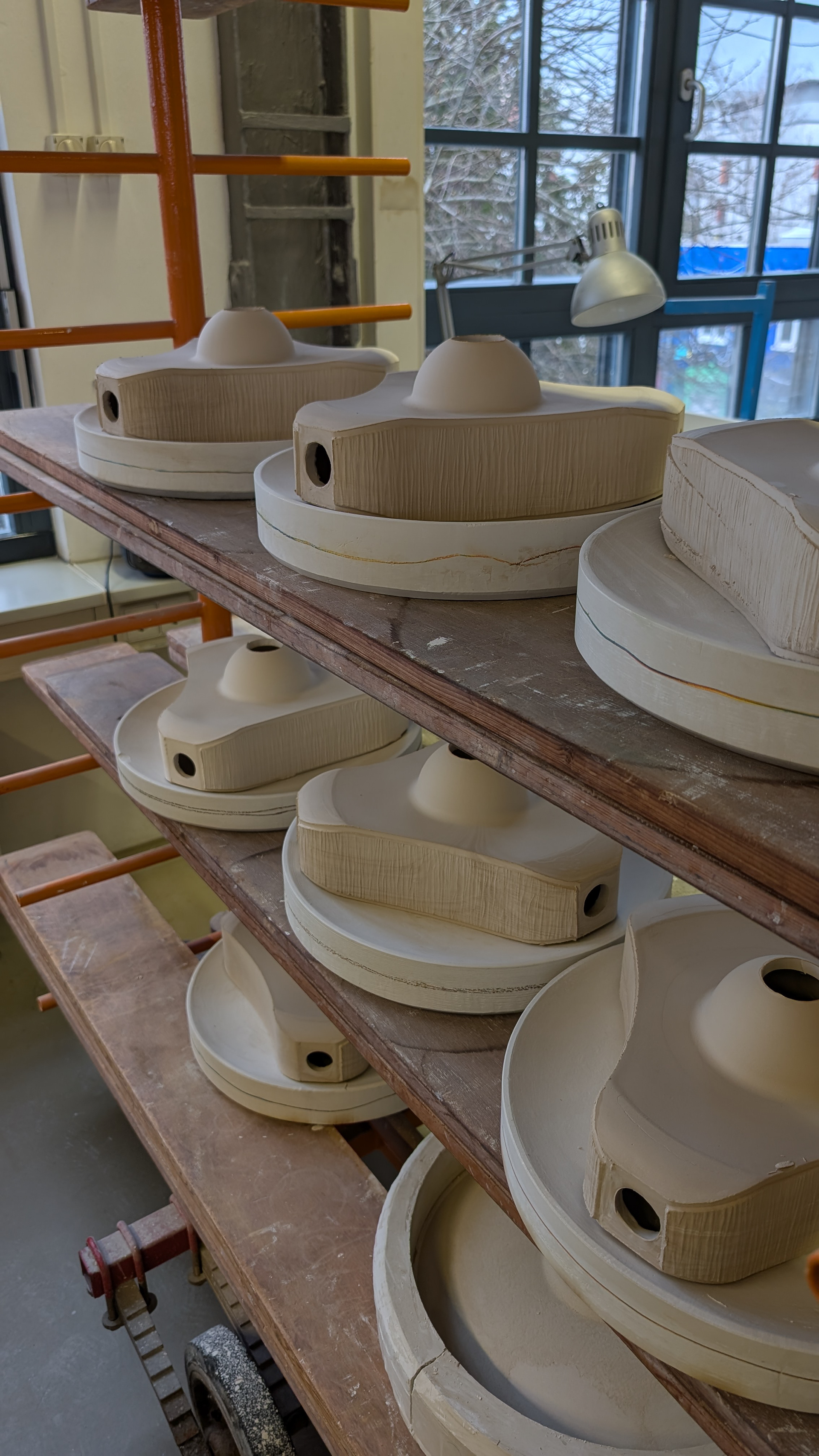
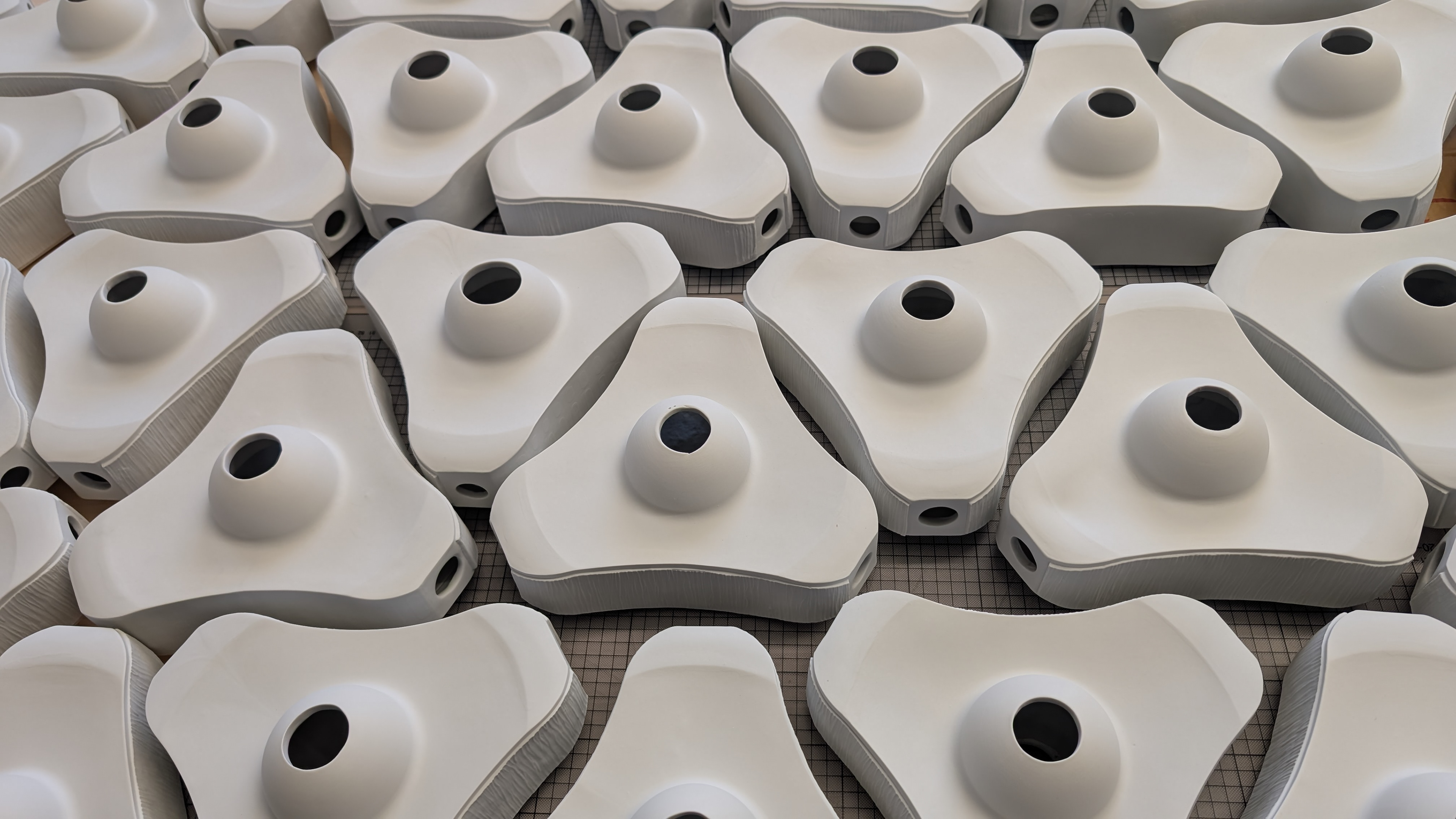
- IMD Institut for Materialdesign and Advanced Material Studies
Supervision: Prof. Dr. Markus Holzbach, Dipl.-Des. Valentin Brück, Dr. Ziyu Zhou
Participants: Elisabeth Andrae, Mi Düver, Ludwig Eder, Simon Hanke, Chongge Huang, Yixuan Li, Sophie Mosdell, Marius Perl
Rendering by: Simon Hanke, Chongge Huang, Yixuan Li, Ludwig Eder
My part: Conception and Production